

Guide
Site classification and wind classification, explained
Two classifications decide more about the cost of a residential structure than almost anything on the architectural drawings.
Site classification — how much the ground moves
Australian Standard AS 2870 classifies a residential site according to how reactive its soil is: how much the ground beneath a house swells when it is wet and shrinks when it dries. Classifications run from stable sand and rock through increasingly reactive clays, with separate categories for sites that are problematic for other reasons — uncontrolled fill, soft soils, or landslip risk.
The classification comes from a soil test, and it is what determines the footing or slab system. Much of Brisbane sits on clay that shrinks and swells with the seasons, which is why the same house plan can need a noticeably different slab in one suburb than in another.
Wind classification — how hard the air pushes
AS 4055 assigns a residential site a wind classification based on its region, terrain, shielding from surrounding buildings, and topography. A house on an exposed ridge is in a different situation from an identical house in a sheltered suburban street, and the classification captures that.
Wind classification drives bracing and tie-down: the continuous load path that holds a roof onto the walls and the walls onto the footings. It matters most for structures that are mostly roof and mostly open — a carport is the clearest example, where uplift rather than weight governs the design.
Why they change what you pay
Both classifications are inputs, not opinions. A more reactive site needs a stiffer footing system; a more exposed site needs more bracing and heavier tie-down. Getting them established early means the structural cost is known before the design is locked in, rather than arriving as a variation after approval.
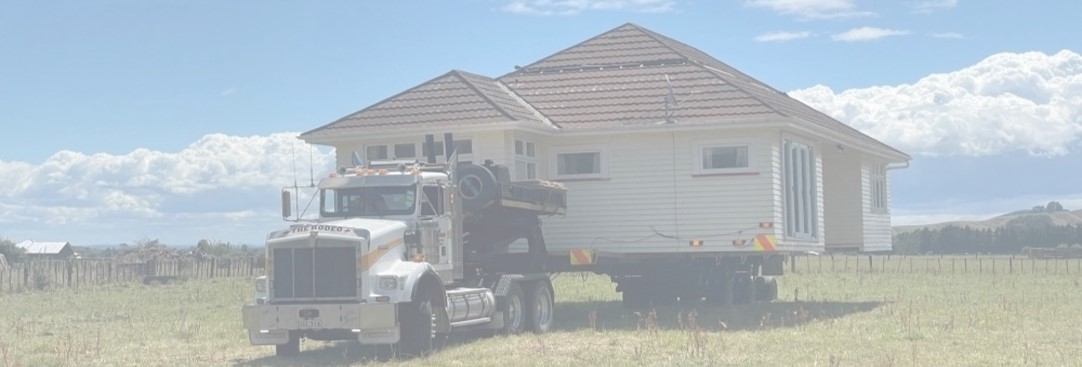
It is also why raising a house changes the sums. A home that sat close to the ground shed wind loads into a short, stiff subfloor; lift it and the same wind acts through a much longer lever.
Send us the plans and the site address
We’ll come back with a scope and an up-front fee.